






Muswell Hill bulky rubbish pickup tips for narrow streets
Posted on 06/06/2026
Muswell Hill Bulky Rubbish Pickup Tips for Narrow Streets
Bulky rubbish in Muswell Hill is one of those jobs that looks simple until you face the street itself. Terraced houses, parked cars, tight turns, and narrow pavements can turn a quick pickup into a bit of a logistical puzzle. If you are trying to clear an old sofa, a broken wardrobe, or a pile of renovation offcuts, the trick is not just finding a pickup slot. It is making sure the collection actually works on a street where space disappears fast.
This guide brings together practical Muswell Hill bulky rubbish pickup tips for narrow streets so you can plan ahead, avoid delays, and reduce the risk of blocked access, damaged walls, or wasted time. You will find step-by-step advice, common mistakes, and sensible ways to decide whether a standard collection, a man-and-van style pickup, or a fuller rubbish removal service in Haringey is the better fit. Let's face it: on a narrow street, good preparation matters more than bravado.

Why Muswell Hill Bulky Rubbish Pickup Tips for Narrow Streets Matters
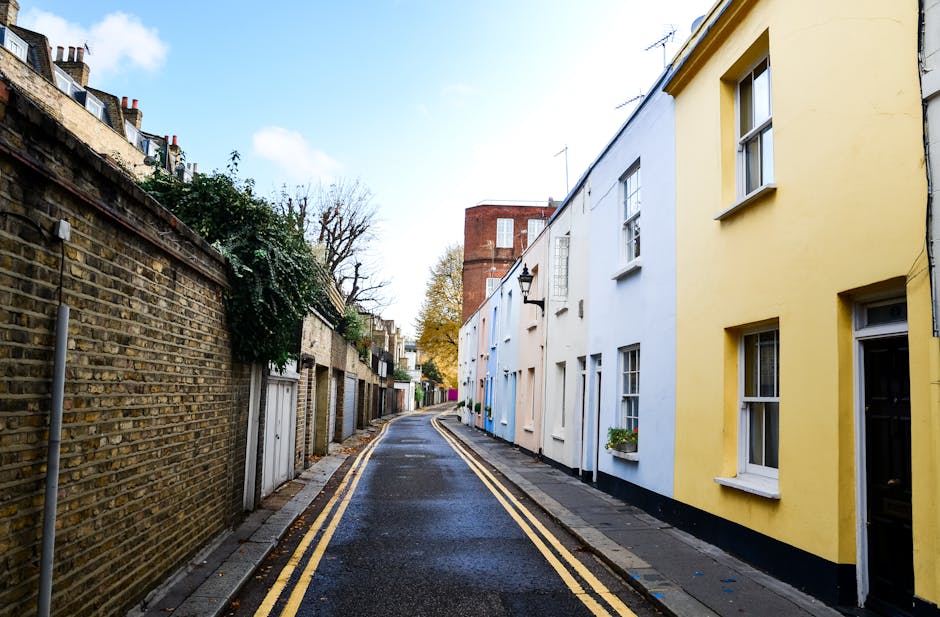
Muswell Hill has plenty of character, but character often comes with tight access. Streets can be steep, parked up, and awkward for larger vehicles. That matters because bulky waste is usually heavy, awkward to carry, and difficult to manoeuvre without the right setup. One sofa can be fine. Three wardrobes, a mattress, and a dismantled desk? That is a different story entirely.
Planning matters for three reasons. First, it protects people from strain and trips. Second, it reduces the chance of blocking neighbours, bins, or emergency access. Third, it makes the collection more efficient, which usually means less faff and a smoother finish. Nobody wants a lorry sitting half-on the kerb while everyone else is trying to get past with shopping bags and a buggy.
For local households, landlords, and small businesses, narrow-street collections also need a bit more thought because access can change with the time of day. School runs, delivery vans, and resident parking can all affect whether a pickup is easy or slightly chaotic. If you want a broader picture of local living conditions and everyday practicality, the article on what it is like to live in Haringey gives useful local context, especially if you are assessing how access affects day-to-day tasks.
In narrow streets, the job is never just "take the rubbish away". It is "take it away without making the street miserable for everyone else." That small difference changes everything.
How Muswell Hill Bulky Rubbish Pickup Tips for Narrow Streets Works
A bulky rubbish pickup in a tight Muswell Hill street usually works best when the access plan is clear before the crew arrives. The collection team will normally need to understand what is being removed, where it is stored, how far it must be carried, and whether the vehicle can stop close enough without causing problems. The better the information, the smoother the pickup. It is a simple truth, but an important one.
For a narrow street, the process often includes:
- confirming what items need moving and roughly how much space they take up;
- checking if items can be broken down into smaller pieces;
- identifying where the vehicle can safely stop;
- making sure the path from the property to the vehicle is clear;
- thinking about stairs, front garden walls, tight hallways, and low ceilings;
- allowing time for parking, loading, and any neighbour access issues.
In practice, this means the pickup is less about one dramatic lift and more about many small decisions. A long hallway can be more of a problem than the sofa itself. A narrow front gate may matter more than the weight of the waste. A quick look around before collection day can save a great deal of back-and-forth.
If your waste is mixed, damaged, or piled up after decorating or clearance work, it may be worth looking at related services such as waste clearance in Haringey or house clearance support, because a narrow-street pickup is often easier when the job is handled as a planned clearance rather than a rushed one-off lift.
Key Benefits and Practical Advantages
There are real advantages to planning bulky waste pickup with narrow streets in mind. You are not just paying for removal. You are buying calm, speed, and fewer surprises. Sounds a bit dramatic, perhaps, but if you have ever tried to shift a broken bed frame past two cars and a wheelie bin, you know exactly what I mean.
1. Less disruption to neighbours
A well-organised collection keeps pavements clearer and reduces the chance of blocking driveways or shared access. That matters in Muswell Hill, where many streets have limited passing space.
2. Lower risk of damage
Careful planning helps avoid scraping walls, denting gates, or tearing upholstery against a brick corner. Even one careless turn can create an avoidable mess.
3. Faster loading
If items are grouped, labelled, and ready, the crew can get straight to work. That tends to matter more on tight streets, where stopping time is at a premium.
4. Better value for money
Efficiency often reduces wasted time. And in collection work, wasted time has a habit of becoming unnecessary cost. You may not see it at first, but it adds up.
5. Less stress for you
Truth be told, the biggest benefit is peace of mind. You know what is going out, where it is going, and how it will be handled. That is especially helpful if you are clearing a property before a move, renovation, or tenancy change. If that situation sounds familiar, the pricing and quotes information can help you think through what kind of collection setup makes sense.
Who This Is For and When It Makes Sense
This kind of pickup guidance is useful for a wide range of people. In our experience, it is most helpful when access is tight, the waste is awkward, or there are time constraints. If any of those ring a bell, you are in the right place.
- Homeowners clearing out old furniture, broken appliances, or loft contents.
- Tenants moving out and needing to leave a property tidy without overloading the hallway.
- Landlords and agents preparing a rental between occupancies.
- Tradespeople dealing with light builder's waste after small refurbishments.
- Small offices replacing desks, chairs, or storage units.
- Gardeners and householders dealing with cuttings, branches, and old outdoor items, especially if access is tight around the front of the property.
It makes sense whenever the waste is too much for a car boot, too awkward for the regular bin, or too heavy to shift safely by yourself. If the items are mixed and bulky, a dedicated pickup is usually more sensible than trying to do it in several car journeys. You know how that ends. A sore back and two wasted afternoons, usually.
If your project has a building or repair angle, you may also want to compare it with builders waste disposal in Haringey, because plasterboard offcuts, timber, and packaging can change the logistics a lot. Same street, different headache.
Step-by-Step Guidance
Below is a straightforward way to prepare for a bulky rubbish pickup on a narrow Muswell Hill street. It is not glamorous, but it works.
- List everything you want removed. Write down the items one by one. Separate bulky furniture from bags, small loose waste, and anything fragile.
- Measure the awkward pieces. Doorways, stairwells, side passages, and gate widths matter. A sofa that fits in the room can still be a nightmare on the way out.
- Break down what you can. Flat-pack furniture, shelves, bed frames, and some garden items are often easier to move in parts. Use common sense here; if something feels unsafe to dismantle, leave it intact.
- Create a clear loading route. Move shoes, recycling boxes, prams, and loose clutter out of the way. The cleaner the path, the quicker the job.
- Check parking and stopping space. On a narrow road, the vehicle may need to stop a little away from the door. Plan for that and allow extra carrying distance.
- Tell the collection team about access issues early. Low branches, resident permits, steep sections, or a very tight turning point can all affect the pickup plan.
- Keep fragile or valuable items separate. It is surprisingly easy for a small item to end up next to rubbish by mistake. A little separation avoids awkward moments.
- Be ready at the agreed time window. Collections on busy London streets can be affected by traffic, parking pressure, or earlier jobs running long. A few minutes' flexibility helps.
A practical example: if you are clearing a two-bed flat near a parked-up section of road, you might place all furniture in one front room, separate bagged waste in another, and keep the hallway clear for movement. That way, the crew can work in an orderly line rather than weaving around boxes like it is a strange obstacle course.
If the job is urgent, you may also want to read about same-day rubbish removal availability in nearby Wood Green. Even though it is a different local area, the timing and access lessons are relevant, especially for short-notice clearances.
Expert Tips for Better Results
These are the small things that make a surprisingly big difference. They are the sorts of details people often skip until collection day, then wish they had not.
Use photo references if you can
A few clear photos of the items, entrance, and street layout can help explain the job far better than a quick phone description. You do not need a fancy setup. Just honest, useful pictures.
Think in loading zones
Instead of spreading waste around the property, group it into zones: one for large furniture, one for bagged rubbish, one for reusable pieces. That keeps the pickup orderly and avoids confusion.
Protect the route
If the path includes a tight corner, a painted wall, or a delicate banister, consider placing some temporary protection down. Even a simple sheet or moving blanket can help. Not perfect, but better than nothing.
Choose your timing carefully
Early morning or quieter mid-morning slots are often easier than late-afternoon collections, when streets can be busier. Of course, every road is different, but quieter windows usually reduce pressure.
Leave breathing room near the kerb
If you are able to move items closer to the loading point without blocking the pavement, do it. A small reduction in carry distance can save a lot of effort.
Be realistic about DIY lifting
Bulky items look manageable until you get them halfway through a doorway. If an item is too heavy, too wide, or too awkward, it is better to call it early than to force a dodgy lift. Back injuries are not heroic. Just inconvenient.
For a closer look at responsible disposal and recycling choices, the recycling and sustainability approach is a useful companion read. It helps you think beyond "gone by lunchtime" and into proper sorting and recovery where possible.

Common Mistakes to Avoid
Most problems on narrow streets come from a handful of avoidable mistakes. The good news? They are very fixable.
- Leaving it all until the morning of collection. That is how people end up scrambling for tools, tape, and bin bags at the last minute.
- Underestimating item size. The wardrobe looks modest in the bedroom. On the stairwell, it suddenly becomes a beast.
- Forgetting parking restrictions. If the vehicle cannot stop safely, loading gets slower and more awkward.
- Mixing hazardous or restricted items into general waste. This needs careful handling and should never be assumed safe just because it is bulky.
- Blocking shared access areas. Front steps, alleyways, and entrances are often used by neighbours too.
- Assuming every item can be dragged out in one piece. Sometimes dismantling is essential. Sometimes it is not. Judgement matters.
- Not telling the crew about stairs or steep slopes. Muswell Hill can be hilly, and that changes the physical effort quite a bit.
One less obvious mistake is forgetting that the street itself is part of the job. A perfectly organised inside space can still fail if the outside space is not planned. That's the bit people miss, more often than you'd think.
Tools, Resources and Recommendations
You do not need a truckload of gear to prepare well. A few simple tools can make the collection much smoother.
- Measuring tape for checking doorways, gates, and narrow turns.
- Labels or masking tape to mark what stays and what goes.
- Heavy-duty bin bags for loose waste that can be safely bagged.
- Moving blankets or old sheets to protect walls and furniture edges.
- Screwdriver or Allen keys if simple dismantling is needed.
- Gloves for handling rough, dusty, or splintery items.
- Clear phone photos to help explain access points and item sizes.
On the service side, it helps to understand the broader options available. A straightforward overview of the company's work can be found on the services overview page, while the about us page gives some background on the people behind the work and how they approach everyday clearance jobs.
For customers worried about payment or site trust, the related pages on payment and security and insurance and safety are especially worth a look. It is not exciting reading, granted, but it does matter when you want a job handled properly.
Law, Compliance, Standards, or Best Practice
For bulky rubbish pickup in London, the main thing is to follow sensible waste handling practice and avoid leaving materials in a way that creates danger, obstruction, or unwanted mess. If you are arranging removal from a property, the usual expectation is that waste is handled responsibly, with care for neighbours, public space, and any separate sorting requirements that may apply.
In plain English, that means:
- do not block access routes longer than necessary;
- do not leave waste in a position where it can blow, spill, or trip someone;
- keep potentially sharp, heavy, or awkward items under control;
- separate items that need different handling;
- make sure the service you choose is clear about safety and disposal arrangements.
It is also good practice to be transparent about what is being removed, especially if the pickup includes mixed materials, renovation debris, or items that might need special treatment. A reputable clearance arrangement should feel organised rather than mysterious. If anything sounds vague, ask for clarification. That is not being awkward; it is being sensible.
Readers who care about ethical and responsible operations may also appreciate the site's statements on modern slavery and privacy. Those pages help round out the trust picture, even if they are not directly about the pickup itself.
Options, Methods, or Comparison Table
Different pickup methods suit different jobs. The right choice depends on item size, access, urgency, and how much help you want on the day. Here is a simple comparison to make the decision easier.
| Method | Best for | Strengths | Possible drawbacks |
|---|---|---|---|
| DIY van hire | People with time, lifting help, and flexible access | Can be cost-effective for some larger loads | Parking, loading, and disposal are all on you; narrow streets can make it awkward |
| Man-and-van style pickup | Mixed bulky household waste and moderate access issues | More flexible, usually easier on a narrow street | May still need careful scheduling and clear item prep |
| Full clearance service | Larger clear-outs, multiple rooms, or heavy lifting | Best for complex jobs and stressful moves | May be more than you need for just a few items |
| Specialist waste removal | Builder's waste, garden waste, or mixed loads needing sorting | Good when the waste type is specific and access is tricky | Less suitable for simple one-item pickups |
If you are weighing up cost against convenience, the practical comparison is often between "do I want to handle every step?" and "do I want the pickup to just happen?" For many Muswell Hill streets, the second answer is the calmer one. A useful next read is the company's pricing and quotes guidance, especially if you want to budget before you book.
And if your situation involves a particularly time-sensitive clear-out, the page about local rubbish collection options and rates can help you think through value as well as speed, even if your street layout is the real challenge.
Case Study or Real-World Example
Consider a typical Muswell Hill scenario: a family is clearing an old sofa, two mattresses, a dismantled wardrobe, and several bags of mixed household waste from a terraced home on a narrow road with parked cars on both sides. The front path is only wide enough for one person at a time, and the stairwell turns sharply at the landing. Not impossible, just fiddly.
What tends to work best in that sort of setting is simple preparation. The family places all items in one front room the evening before, removes lamps and fragile items from the route, and leaves the hallway as open as possible. They also let the collection team know that the closest parking spot may be two doors away, not right outside. That detail alone saves a lot of head-scratching on arrival.
On the day, the pickup is quicker because nobody is deciding where things go while standing at the front door. The route is clear, the bulky pieces are already grouped, and the crew can work methodically. There is still lifting, of course. There always is. But the job feels controlled rather than frantic.
The small lesson here is that narrow-street pickups are rarely about brute force. They are about choreography. A slightly ridiculous word, perhaps, for a sofa removal. But it fits.
Practical Checklist
Use this checklist before collection day. It is short, but it catches most of the things people forget.
- List every item to be removed.
- Measure the widest or heaviest pieces.
- Check doors, gates, steps, and hallways.
- Clear the path from inside the property to the street.
- Move cars, bikes, bins, and prams if possible.
- Tell the collection team about parking or access limits.
- Separate items that need special handling.
- Keep valuables and reusable items apart from waste.
- Make sure someone is available during the agreed window.
- Have gloves, tape, and a screwdriver ready if small dismantling is needed.
Key takeaway: the better your access plan, the easier the pickup. On a narrow Muswell Hill street, that one fact can save you time, hassle, and avoidable lifting. It really can.
Conclusion
Muswell Hill bulky rubbish pickup tips for narrow streets are really about three things: preparation, access, and calm execution. If you know what is being removed, how it will move through the property, and where the vehicle can safely stop, the whole job becomes much more manageable. That is true whether you are clearing a single old wardrobe or sorting out a full flat.
For local homeowners, tenants, landlords, and tradespeople, the best approach is usually the one that respects the realities of the street. Tight corners, parked cars, and limited pavement space are not problems to fight. They are the conditions to plan around. Once you do that, the rest tends to fall into place. Not perfectly, maybe. But well enough to feel like a proper win.
If you are preparing for a difficult collection and want a straightforward next step, explore the relevant service information, review the practical pages on pricing and safety, and line up your pickup with access in mind. Small preparation now saves a lot of hassle later.
Get a free quote today and see how much you can save.
And if you do it properly, the street stays calm, the job gets done, and you can stand back at the end of the day with one less thing hanging over you. A simple relief, but a real one.


 Tipper Van - Waste Collection and Rubbish Removal Prices in Haringey, N4
 Luton Van - Waste Collection and Rubbish Removal Prices in Haringey, N4