






N17 waste removal access and stairwork charges explained
Posted on 14/06/2026
If you have ever booked a rubbish collection and then been told there may be an access fee, a stairwork charge, or a labour supplement, you will know how quickly a simple job can become confusing. In N17, that confusion is common in flats, converted houses, terraced streets, and busy roads where vans cannot always park right outside. This guide to N17 waste removal access and stairwork charges explained breaks the process down in plain English, so you can understand what you are paying for, what usually triggers extra charges, and how to avoid awkward surprises on the day.
Truth be told, most people do not mind paying a fair price for proper clearance. What frustrates them is not knowing why the quote changed. So let us make it clear, practical, and local. You will learn how access is assessed, when stairwork matters, what a decent quote should include, and how to compare providers without getting caught out. If you are planning a home clearance, a flat clearance, or a quick bulky item collection, this will help.

Why N17 waste removal access and stairwork charges explained Matters
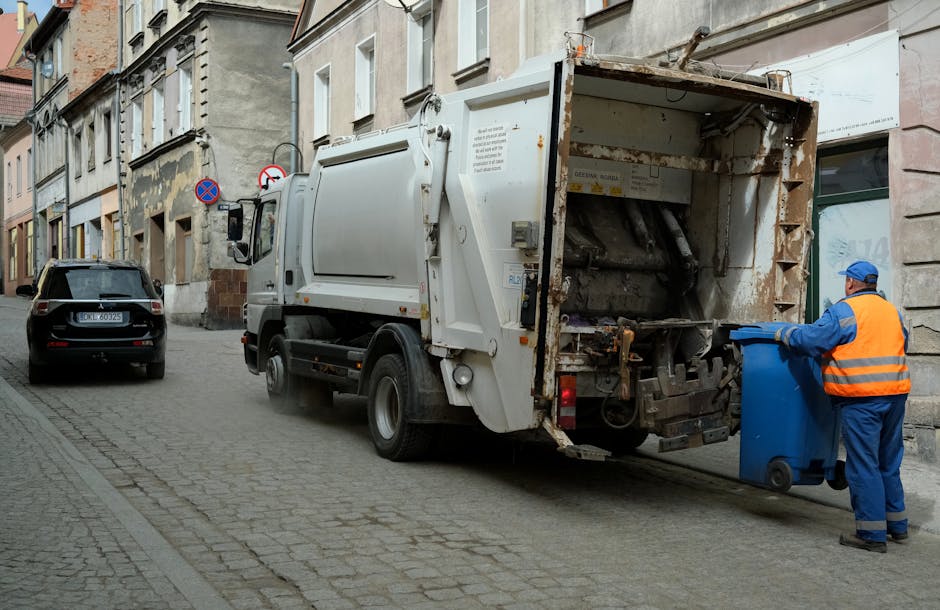
Access is one of those parts of waste removal that sounds minor until the quote lands. Then it suddenly matters a lot. In N17, the built environment can create extra effort in ways that are easy to miss when you are only looking at the pile of waste itself. A third-floor flat with no lift, a narrow staircase, a shared entrance, a long walk from van to door, or parking a bit too far away can all affect the labour needed.
That is why access charges exist. They are not just a random add-on. They are usually there to reflect the extra time, handling, and physical effort needed to remove items safely. If a team needs to carry a broken wardrobe down several flights, move bags through a tight hallway, or make repeated trips because the van cannot park close by, the job is not the same as a ground-floor load-out. Simple as that.
This matters for two reasons. First, it helps you budget properly. Second, it helps you compare quotes fairly. A cheaper headline price may look great at first, but if access, stairwork, waiting time, or labour are not included, the final bill can feel very different. Nobody enjoys that moment. Not at all.
It also matters for planning. If you know the access conditions beforehand, you can prepare the property, warn the team, and possibly reduce the work involved. That can sometimes make a genuine difference to the final cost and the speed of the collection.
If you are arranging a broader property clearance or refurb-related disposal, it is worth looking at the wider service picture too. Many customers start by reviewing the full service overview so they can see what kind of support is available beyond a single collection.
How N17 waste removal access and stairwork charges explained Works
Most waste removal quotes are based on a mix of load size, labour, access, and disposal considerations. The access part is often the most misunderstood. In straightforward terms, the team is estimating how easy or difficult it will be to get the waste from where it sits to the vehicle. Stairwork is one specific part of that access question.
Here is the basic logic:
- Ground-floor, close-parking access usually keeps labour lower.
- Upper-floor access often increases time and physical work.
- No lift or unreliable lift access usually makes the job more labour-intensive.
- Narrow stairs, awkward landings, or long corridors can slow things down.
- Limited parking or busy roads may add walking time and loading effort.
In some cases, access charges are fixed. In others, they are calculated after a short assessment, a photo review, or a description during the booking stage. That is why a decent provider will ask practical questions rather than just giving you a price off one sentence. If nobody asks about stairs, lift access, or parking, that is a bit of a red flag, to be fair.
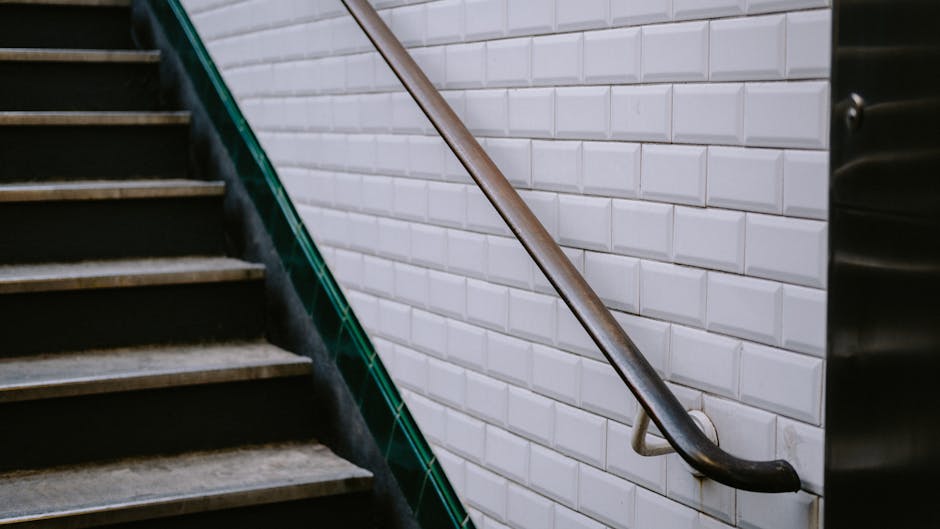
Stairwork charges usually apply when waste has to be carried up or down steps, especially if there are multiple flights or bulky items. A sofa on the first floor is one thing. A mattress, wardrobe, and dismantled desk from the fourth floor is another. The extra charge reflects the number of trips, the weight distribution, and the need to move carefully to avoid damage to the property.
Some jobs need a combination of stairwork and access considerations. For example, a van might be parked on the street, but the entrance could be down a shared path, then up a staircase, then through a narrow landing. In that case the team may need to factor in both the walk distance and the stair labour.
Clear communication helps. If you can, tell the provider about:
- the floor level
- whether there is a lift
- how wide the stairs are
- parking distance from the entrance
- any locked doors, intercoms, or access codes
- bulky or heavy items that may need two people
For many customers, access also ties in with the wider type of job. A flat clearance or full household clearance often requires more handling than a simple curbside pickup, which is why services like house clearance in Haringey are usually quoted with labour and access in mind from the start.
Key Benefits and Practical Advantages
When access and stairwork are explained properly, the whole process becomes easier to manage. You are not left guessing, and the provider can plan the right team size and vehicle setup. That alone can save time on the day. And, if we are honest, a smoother job is usually a better-value job.
Here are the main advantages:
- Fewer surprises: you know what may affect the final price before anyone arrives.
- Better comparisons: you can compare like-for-like quotes rather than vague headline numbers.
- Safer handling: the crew can bring the right equipment and staffing level.
- Less disruption: the job is more likely to run on time, which matters in shared buildings.
- More realistic planning: you can organise lifts, access codes, or neighbours in advance.
There is another quiet benefit too: better trust. A provider that explains access charges clearly tends to be more transparent in general. That gives you a better feel for how they work, how they handle risk, and whether they are likely to be straightforward if something changes.
In practical terms, this matters most when you are working to a deadline. Maybe you are clearing a flat before a tenancy handover, or perhaps you have builders finishing a job and the waste needs shifting quickly. In situations like that, access assumptions can make or break the schedule. If you need a faster turnaround, same-day rubbish removal availability is often the kind of service people look into when timing is tight.
And yes, sometimes the advantage is simply peace of mind. You know the stairs have been accounted for. You know the team expects a long carry. You can stop worrying about the final invoice changing at the door. Lovely, really.
Who This Is For and When It Makes Sense
This topic is especially relevant if you live or work in an upper-floor property, a converted building, a managed block, or a street where parking is awkward. In N17, that can describe a lot of everyday situations. Not every job is a straightforward driveway collection.
You are likely to need this information if you are:
- clearing a flat with no lift
- disposing of bulky furniture from an upper floor
- organising a probate or sensitive property clearance
- moving office waste from a multi-level workspace
- disposing of renovation debris from a property with difficult access
- booking a collection for a house where the van cannot park close to the front door
It also makes sense if you are comparing different types of clearance. For example, a garden waste job may be easier if everything is already outside, while a builder's waste job on an upper floor may need more labour because bags, rubble, or broken fixtures have to be carried down safely. The difference is real. You can feel it in the quote.
People sometimes ask whether stairwork charges only apply to large jobs. Not necessarily. Even a small load can involve more effort if the items are awkward, fragile, or heavy. A few white goods on the third floor can be more demanding than a larger pile already sitting at the kerb.
If you are dealing with commercial premises, the same basic rules apply, just with a different rhythm. Office waste in a building with reception controls, lifts, or loading restrictions can require more coordination than people expect. That is why office clearance in Haringey is often planned carefully around access, timing, and building rules.
Step-by-Step Guidance
If you want a clean quote and a smoother collection, follow a simple process. It does not need to be complicated.
- List the items clearly. Note whether they are bags, boxes, furniture, appliances, mixed waste, or heavy materials.
- Describe the access honestly. Say which floor the items are on, whether there is a lift, and how far the van is likely to be parked from the entrance.
- Mention stair details. Are the stairs narrow, steep, or awkward? Is there a landing where turning bulky items will be difficult?
- Share any restrictions. Include entry codes, timed access, concierge systems, or parking limits.
- Ask what is included. Confirm whether labour, lifting, loading, disposal, and any stairwork charge are all covered.
- Request a clear final estimate. The best quote is the one you can actually understand.
- Prepare the area. Move small items aside, clear hallways where possible, and unlock the route if you can.
- Check the final plan before arrival. A quick reconfirmation helps avoid confusion on the day.
That last step sounds obvious, but it really saves time. We have all had those slightly chaotic mornings where someone forgot the parking restriction or the lift was out. One small missed detail can turn into a bigger job for everyone.
If your project involves mixed waste or renovation debris, it can help to compare the job with other specialist disposal needs. For instance, builders waste disposal in Haringey often brings its own access challenges because heavy material and awkward bags take longer to move safely.
Expert Tips for Better Results
Small choices make a real difference here. The difference between a tidy, fair quote and a messy one is often in the details you provide upfront. A few good habits help a lot.
- Take clear photos. Show the items, the route out, the stairs, and the doorway. A couple of honest photos can prevent a lot of back-and-forth.
- Measure the tight bits. If a wardrobe is the issue, check stair width and landing size. It sounds nerdy, but it helps.
- Group similar items together. When waste is sorted into piles, the crew can work faster and safer.
- Tell the truth about access. Understating the difficulty usually leads to awkward revisions later.
- Ask about labour assumptions. A quote that assumes one person may not suit a two-person carry job.
Another useful tip: be realistic about timing. If the job is in a busy road, around school-run time, or during a period when parking gets tight, access may be worse than it looks on paper. Early morning can sometimes be easier. Sometimes. Not always, but often enough to matter.
And if you are booking a clearance for a whole property, it can help to think beyond the first room. Hallways, stairs, loft access, garden gates, basement steps - all of it adds up. This is where a little local awareness helps. In and around N17, older layouts and mixed housing stock can create access issues that are not obvious until you stand in the doorway and look up. Then it clicks.
For broader local waste planning, the page on rubbish removal in Haringey is useful because it sits within the wider set of clearance services and helps readers think about the right type of job before requesting a quote.
Common Mistakes to Avoid
Most access-related problems are preventable. The mistake is usually not that the work is difficult. It is that the difficulty was not described accurately enough before the booking.
Watch out for these common errors:
- Only describing the waste, not the access. The pile matters, but so does the route.
- Assuming stairwork is always included. It might be, but never guess.
- Forgetting about parking distance. Even a short extra walk can change the labour involved.
- Ignoring lift restrictions. A lift that is too small, too slow, or out of service changes the job completely.
- Booking without checking building rules. Shared entrances and managed blocks can create delays.
- Not separating heavy and light items. Mixed loads are harder to plan and may affect the number of people needed.
One of the biggest mistakes is treating the quote like a fixed object when it is really a working estimate. If the conditions change, the effort can change too. That is normal. What matters is whether the provider explained that in advance. You want clarity, not a debate on the doorstep.
A smaller but still annoying error: leaving everything until the last minute and then expecting a fast lift-out with no prep. It can be done, yes, but it is better when the route is already clear. A tidy hallway is worth more than people think.
Tools, Resources and Recommendations
You do not need fancy tools to make this easier. A phone camera, a tape measure, and a short list of questions will cover most of it.
Useful things to have ready:
- Photos of the items from a few angles
- Basic measurements for bulky furniture or appliances
- Access notes for floors, lifts, keys, and entry codes
- Parking details if there are restrictions or permit issues
- A rough list of what is staying and what is going
It can also help to review a provider's wider operational information before booking. Pages such as pricing and quotes, insurance and safety, and recycling and sustainability give you a better feel for how the business handles cost, risk, and disposal standards.
If you are arranging a larger household sort-out, a service page like waste clearance in Haringey can also be a helpful reference point. It is often easier to understand stairwork charging when you see how it fits into a wider clearance job rather than one-off item collection.
One small recommendation from experience: keep all your access notes in one message. Do not spread them across three texts and a voicemail. That is how details disappear. We have all been there.
Law, Compliance, Standards and Best Practice
Waste removal is not just about lifting and loading. In the UK, it also sits within a wider framework of safe working, lawful disposal, and responsible handling. You do not need to become an expert in regulations to book a collection, but it does help to know the basics.
At a practical level, best practice means the provider should:
- dispose of waste responsibly and lawfully
- handle items safely to reduce risk to people and property
- use clear, honest pricing terms
- communicate any extra labour or access charges before work begins
- be careful around shared spaces, entrances, and stairwells
For customers, the key point is this: if stairs, access constraints, or building rules make the work harder, the charge should be explained clearly and fairly. That is a trust issue as much as a pricing issue. It is also a good sign when a provider is willing to explain what they are doing and why.
Many businesses also publish supporting pages about their policies and responsibilities. Reading the about us, terms and conditions, and privacy policy pages can help you understand how they operate and what to expect when you share access details or request a quote.
That said, do not overcomplicate it. If a company is transparent, asks sensible questions, and explains stairwork or access charges in plain language, you are generally on solid ground. The real issue is unclear pricing, not the fact that hard jobs cost more.
Options, Methods, or Comparison Table
Different jobs need different approaches. Here is a simple comparison to help you see where stairwork and access tend to show up.
| Scenario | Typical access level | Likely stairwork impact | What to check before booking |
|---|---|---|---|
| Ground-floor flat with nearby parking | Easy | Low or none | Vehicle access, doorway width, item size |
| First- or second-floor flat with stairs | Moderate | Likely extra labour | Stair width, lift availability, distance to van |
| Top-floor flat with no lift | Hard | Often significant | Number of flights, item weight, team size |
| House with long driveway or garden carry | Moderate | Possible labour adjustment | Walking distance, gate access, surface conditions |
| Busy street with limited parking | Variable | Can increase overall labour | Loading bay rules, waiting time, access timing |
There is no single rule that fits every provider. Some quote stairwork separately; others build access into a broader labour estimate. The important thing is consistency. You want to know what the quote is based on, and whether the same assumptions will apply when the team arrives.
If your job is time-sensitive or you are working to a move-out deadline, speed can be more important than squeezing every pound from the quote. In those cases, local guides like cheap rubbish collection in Tottenham Hale can help you think about value in a more realistic way: not just the lowest price, but the right price for the actual access conditions.
Case Study or Real-World Example
Imagine a resident in N17 clearing a two-bedroom flat on the third floor. The lift is small, the sofa does not fit, and the van cannot park directly outside because the road is narrow and often busy. On paper, this looks like a standard removal. In reality, it is a labour-heavy job.
The first quote might seem higher than expected. But once the access details are explained, the quote starts to make sense: the team needs more time, more carrying, and careful manoeuvring around the stairwell. If the resident had only described the waste as "a sofa, a wardrobe, and some bags," the estimate could have been misleading.
Now compare that with another booking: a small amount of mixed waste from a ground-floor property with clear parking outside and no obstacles. Same postcode, very different effort. That is the whole story in one glance, really.
In practice, the first customer can often reduce the final effort by dismantling the wardrobe, moving small items into one room, and confirming parking arrangements. The second customer may barely need any adjustment at all. That is why access questions matter so much. They are not administrative fluff. They are how the job is sized properly.
If you are dealing with a fuller home clear-out rather than a small collection, local property context can matter too. Articles such as the Crouch End house clearance guide and is Haringey a suitable home? ask a local sit nicely alongside this topic because they reflect the practical side of clearing and living in real London homes, not just neat theory.
Practical Checklist
Use this checklist before you request or confirm a quote. It keeps things calm.
- List all items that need removing
- Confirm the floor level for each load
- Check whether there is a lift, and whether it works
- Measure any awkward furniture or appliances
- Note stair width and tight turns if relevant
- Check how far the van is likely to be parked from the entrance
- Look up building access rules, if you have them
- Prepare entry codes, keys, or contact details in advance
- Ask whether stairwork or access charges are included
- Request a clear final price before booking
- Clear hallways and make the route as easy as possible
- Keep the booking contact informed if anything changes
Expert summary: the easiest way to avoid access-related surprises is to describe the route as carefully as you describe the waste. Floor, lift, stairs, parking, and item size all shape the quote. If you get those details right, the rest tends to fall into place.
Conclusion
N17 waste removal access and stairwork charges explained really comes down to one simple idea: the harder the load is to reach, the more labour the job usually needs. Once you understand that, the pricing feels far less mysterious. It is not about hidden costs so much as making the effort visible before work begins.
For most people, the best outcome is a quote that is clear, fair, and matched to the real conditions on site. That means being honest about floors, stairs, parking, and bulky items. It also means choosing a provider that explains its pricing in plain English rather than hiding behind vague wording. If you do that, the whole process becomes much less stressful. And frankly, a little less stressful is a win.
Get a free quote today and see how much you can save.
When the practical bits are handled properly, waste removal stops feeling like a headache and starts feeling like one of those jobs you are glad to have behind you. That is a good feeling.


 Tipper Van - Waste Collection and Rubbish Removal Prices in Haringey, N4
 Luton Van - Waste Collection and Rubbish Removal Prices in Haringey, N4