






Haringey council rubbish rules permits fines to avoid
Posted on 22/06/2026
Haringey council rubbish rules, permits, fines to avoid: a practical local guide
If you are planning a clear-out, a renovation, or even a simple garden tidy-up, the last thing you want is a complaint, a missed permit, or a fine landing on your doorstep. The reality is that Haringey council rubbish rules permits fines to avoid is not just a search phrase; it is the difference between a smooth job and an expensive headache. Whether you are moving house, clearing builders' waste, or just trying to get a bulky sofa out of the way, the details matter more than people expect. And yes, the details can be a bit dull. But they are exactly where costly mistakes hide.
This guide breaks the topic down in plain English. You will learn how the rules usually work in practice, when a permit may be needed, what tends to trigger fines, and how to stay on the right side of local expectations without overcomplicating the job.
Practical takeaway: if your waste is going on the highway, into a skip, or being handled by a third party, pause and check the basics first. A few minutes of checking can save a lot of grief later.
For readers comparing disposal options, it can also help to understand the broader service landscape through the services overview and the site's recycling and sustainability approach. Both are useful context when you are trying to choose the least risky route for your waste.
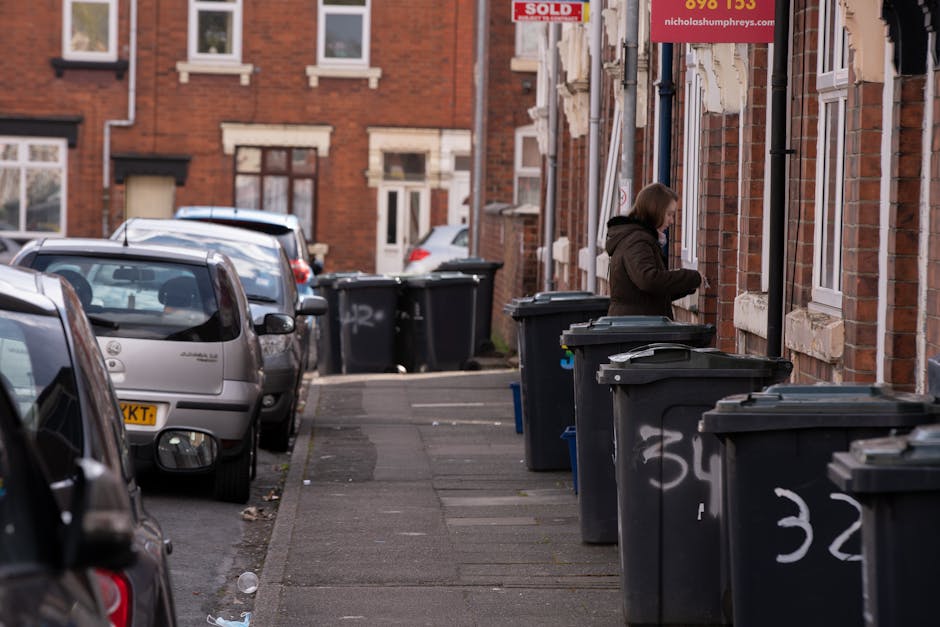
Why Haringey council rubbish rules, permits and fines to avoid matter
Waste rules are one of those things people only really notice once something goes wrong. A skipped permit, a bag left where it should not be, a skip that blocks access, or rubbish dumped without proper handling can quickly become a problem. In a busy London borough like Haringey, this matters even more because streets are tight, pavements are busy, and neighbours are often close enough to notice everything.
That is why the phrase Haringey council rubbish rules permits fines to avoid matters so much. It captures the whole chain: rules, permissions, and consequences. If you understand the chain, you are far less likely to make the kind of mistake that turns a simple clearance into a stressful clean-up.
There is also a practical side that gets overlooked. Good waste management keeps frontages clear, reduces hazards, and avoids those awkward moments where a skip is half across a driveway and someone cannot get a pram past. Let's face it, nobody enjoys being the person who caused the bottleneck on a narrow street at 8:10 on a weekday morning.
For households and landlords, the risks are slightly different, but the theme is the same: be organised, be compliant, and do not assume the council will overlook something because it looks minor. In waste matters, "minor" can become expensive surprisingly fast.
How Haringey council rubbish rules permits fines to avoid works
At a practical level, waste control usually comes down to three questions:
- What kind of waste is it? General household rubbish, garden waste, builders' rubble, office clearance items, and bulky goods are not always treated the same way.
- Where will it be stored or collected from? Inside your property, on private land, or on the public highway can change the rules completely.
- Who is removing it? You, a licensed waste carrier, a skip company, or a clearance team all create slightly different responsibilities.
If waste is being placed on a public road, pavement, or other shared space, a permit may be required. The same applies if a skip, container, or any temporary obstruction is involved. The exact process depends on the situation, so the safest approach is to treat every roadside setup as something that needs checking before delivery day.
Permits are not just paperwork. They help manage safety, traffic flow, and responsibility. A valid permit also makes it easier to identify who is accountable if there is an issue. Without that, blame tends to move around. And no one needs that sort of drama.
Fines usually come into play when waste is fly-tipped, dumped incorrectly, stored unlawfully, or left in a way that causes obstruction, nuisance, or unsafe conditions. A lot of people assume a fine only happens if someone "obviously" does something wrong. In practice, small oversights can be enough if they create a compliance problem.
If you are planning a larger project, such as a home refurbishment or a garage clear-out, it is often worth looking at specialist support like builders' waste disposal in Haringey or a more general rubbish removal service in Haringey. Different jobs create different risks, and choosing the right route early can save time as well as worry.
Key benefits and practical advantages
Staying on top of rubbish rules is not just about avoiding trouble. It also makes the whole job easier, cleaner, and usually cheaper in the long run. The benefits are pretty straightforward, but they are worth spelling out.
- Fewer delays: no last-minute permit panic or refused delivery.
- Lower risk of penalties: fewer opportunities for fines or enforcement action.
- Better neighbour relations: less obstruction, fewer complaints, fewer awkward conversations at the gate.
- Safer collections: tidy loading, less mess, fewer trip hazards.
- Cleaner recycling outcomes: more waste can be sorted properly when it is handled with intention.
There is also a hidden benefit: confidence. When you know the rules, you do not have to second-guess every bag, board, or broken chair you want to get rid of. You can get on with the job.
That confidence matters for landlords too. A flat can be cleared quickly, but if the waste is left badly, the whole process becomes slower and more stressful. The same is true for office moves and commercial clean-outs. If you need help with those jobs, the site's office clearance and house clearance pages are useful starting points.
Who this is for and when it makes sense
This topic is relevant to much more than just people booking a skip. In our experience, the people who most often benefit from understanding Haringey waste rules are:
- homeowners clearing lofts, sheds, garages, or front gardens
- tenants moving out with bulky items to dispose of
- landlords handling end-of-tenancy waste
- builders and trades working on small residential jobs
- office managers dealing with old furniture or IT clutter
- property sellers preparing a flat for viewings
It also matters if you live on a street with limited parking or narrow access. In some parts of the borough, manoeuvring a skip lorry is not exactly simple. People who live near busy roads, terraces, or tight residential turns will know what that means. You can feel the day slipping away before the job has even started.
For those exploring local property decisions alongside clearance planning, it may also help to browse Haringey real estate guidance for buyers or a local perspective on whether the borough suits your lifestyle in a local view of living in Haringey. Those articles are not about rubbish rules directly, but they do give useful context about how people live, move, and manage space here.
Step-by-step guidance
If you want a tidy, low-risk way to deal with waste in Haringey, follow a simple process rather than winging it. That really is the best way.
- Identify the waste type. Separate household, garden, construction, electrical, and bulky items. Some materials need more careful handling than others.
- Decide where it will sit. If anything goes on the pavement or road, assume permission may be needed until you know otherwise.
- Choose the right disposal route. A skip, a licenced carrier, a man-and-van clearance, or a specialist service each suits different jobs.
- Check permit requirements early. Do not leave this to the day before delivery. That is where stress creeps in.
- Load and label properly. Keep waste organised so it can be handled safely and, where possible, sorted for recycling.
- Keep proof and paperwork. Save booking details, confirmations, and any collection records in case anything is questioned later.
- Inspect the area afterwards. Make sure nails, broken glass, and small debris are cleared away. A quick sweep saves a lot of trouble.
A simple real-world example: if you are replacing a kitchen, it may seem easier to leave old units, tiles, and packaging stacked outside for pickup "tomorrow". But if that pile sits partly on the pavement overnight, you may be creating an obstruction issue. Better to book a proper collection and keep everything within the agreed boundary. Small choice, big difference.
If you are comparing prices and service levels before booking, the pricing and quotes page can help you think through the commercial side without overcommitting too early.
Expert tips for better results
There are a few habits that make rubbish clearance much safer and less stressful. None of them are complicated, but they are the kind of thing experienced people do without thinking.
- Measure access before collection day. Narrow gates, low branches, steep steps, and parked cars can all slow things down.
- Sort as you go. Separate recyclable and non-recyclable items while you are clearing, not after the pile has grown.
- Keep wet waste apart. Damp garden clippings or soggy cardboard can make a load heavier and messier than expected.
- Be careful with mixed loads. Mixing plasterboard, soil, timber, and general rubbish without planning can cause disposal problems.
- Use the right-size solution. A huge container is not always better. Sometimes a faster, smaller collection is the smarter move.
One more thing: if the job involves fragile stairwells, tight doorways, or shared entrances, tell the carrier in advance. It is amazing how many problems disappear when someone simply says, "Actually, the path is a bit awkward."
For households trying to reduce waste and keep things cleaner overall, the recycling and sustainability resource is worth a look. It supports the broader habit of sorting waste properly instead of treating everything as one same-looking pile.

Common mistakes to avoid
Most fines and disputes come from the same handful of mistakes. The annoying part is that they are usually very avoidable.
- Assuming a roadside skip is fine without checking. This is probably the biggest one.
- Leaving waste on the pavement "just for a bit". A bit can become a complaint.
- Using an unlicensed waste mover. Cheap today can become expensive tomorrow.
- Mixing restricted and general waste. That can make disposal harder and messier.
- Blocking driveways, crossings, or access routes. People notice, and enforcement can follow.
- Ignoring timing. Early-morning deliveries and weekend noise can irritate neighbours quickly.
Another subtle mistake is forgetting that temporary clutter still counts. People often clear part of a room, leave bags in the hallway, and think they will deal with the rest later. In a small flat or shared building, later may already be too late. The hallway becomes a hazard and, quite frankly, a nuisance.
If the work is tied to building or landscaping, look at the more specific service pages such as garden waste removal or waste clearance to match the job more closely to the disposal need.
Tools, resources and recommendations
You do not need a whole toolkit to stay compliant, but a few practical tools can make the process easier.
- Measuring tape: useful for access checks, skip positioning, and item sizing.
- Marker pens or labels: help identify what is being kept, recycled, or removed.
- Heavy-duty gloves: sensible for glass, timber splinters, and rough edges.
- Dustpan and brush: essential for the final sweep, especially after a builder's clear-out.
- Phone camera: handy for documenting the state of an area before and after collection.
On the planning side, the most useful resources are often the pages that explain what service fits which job. If you are handling a full home clear-out, house clearance in Haringey is a more natural fit than a one-off collection. If it is commercial furniture or archive clutter, office clearance can be the better route. Small distinction, but it matters.
If you want to understand the company's general approach before booking anything, about us, insurance and safety, and terms and conditions are all sensible reads. They help set expectations, which is half the battle.
Law, compliance, standards and best practice
When waste disposal touches public land, transport, or third-party handling, compliance becomes more than a buzzword. The exact legal position can vary depending on the waste type and the setup, but the basic principle is consistent: do not assume you can place waste wherever is convenient and sort it out later.
Good practice usually means:
- using a properly licensed waste carrier where appropriate
- keeping waste contained and secure
- avoiding obstruction on the highway or pavement
- separating waste streams where practical
- using permits or permissions where required
- keeping records so the collection can be traced
That traceability point matters more than many people realise. If waste ends up somewhere it should not, it is not enough to say you "handed it over". You want a clear chain of responsibility. Best practice is not glamorous, but it protects you.
For anyone dealing with unusual or mixed waste, caution is the right mindset. If you are unsure whether a load counts as simple household rubbish or something more involved, ask before the collection, not after. Once the van leaves, it is too late to rework the decision.
Options, methods and comparison table
Choosing the right disposal method is often what determines whether you stay inside the rules or stumble into unnecessary fines and delays. Here is a simple comparison.
| Method | Best for | Main advantage | Main risk |
|---|---|---|---|
| Skip hire | Larger projects, ongoing renovations | Convenient for heavy, repeated loading | May need a permit if placed on the highway |
| Man-and-van clearance | Mixed household waste, bulky items | Fast and flexible | Needs clear communication on access and load type |
| Specialist builders' waste collection | Renovations, strip-outs, trade waste | Better matched to construction debris | Sorting requirements can be stricter |
| Garden waste removal | Cuttings, soil, hedge trimmings | Clean and efficient for outdoor jobs | Wet or heavy loads can increase handling complexity |
| House or office clearance | Full-property clear-outs | Best for larger, more varied jobs | Needs good planning to avoid access issues |
In many everyday cases, the easiest option is not the biggest one. It is the one that matches the waste type, access, and timing properly. That sounds obvious, but people skip this step all the time. Then they wonder why the job feels harder than it should.
Case study or real-world example
A typical example is a homeowner in a terrace property getting rid of old furniture, broken shelving, and a few bags of renovation waste after a bedroom refresh. The first instinct is often to put everything at the front of the house and wait. But on a narrow road, that can quickly create a nuisance if it blocks the footway or spills into a neighbour's parking space.
In a better version of the same job, the items are sorted before collection, the access route is checked, and the removal is arranged so nothing sits on the highway longer than necessary. The team knows what to expect, the load is taken away cleanly, and the house is left clear. No complaints, no awkward notes through the door, no last-minute scramble to move a mattress that suddenly seems much bigger than you remembered. Honestly, it is the boring version that usually works best.
If the property is being prepared for sale or letting, a well-planned clearance can also make viewings easier and improve the feel of the space. That is particularly relevant for people who have been reading local property insights such as Haringey real estate buying guidance or local lifestyle pieces like finding peace and charm in Haringey. Space matters. Clean space matters even more.
Practical checklist
Use this checklist before you book or move any waste:
- Have I identified the waste type correctly?
- Will anything be placed on a road, pavement, or other shared space?
- Do I need a permit or permission before collection?
- Have I chosen the right clearance method for the amount of waste?
- Is access clear for the vehicle or team?
- Have I separated recyclable items from general rubbish where practical?
- Have I checked for sharp, heavy, or awkward items?
- Do I know where the waste is going and how it will be handled?
- Have I kept any booking confirmations or collection records?
- Have I planned a final sweep-up after the removal?
Expert summary: if you keep the waste inside your boundary, choose the right service, and check permit requirements early, you remove most of the risk before it starts. That is the real secret. Not fancy, just effective.
For readers who want a better sense of service availability for different jobs, it may also help to look at same-day rubbish removal in Wood Green, cheap rubbish collection in Tottenham Hale, the Crouch End house clearance guide, or bulky rubbish pickup tips for Muswell Hill. Those local pages can help you think through access, timing, and job size in real neighbourhood conditions.
Conclusion
At heart, Haringey council rubbish rules permits fines to avoid is about doing waste the sensible way. Check the rules, understand where the waste will sit, choose the right collection method, and keep an eye on permits before the job starts. It is a bit of admin, yes. But compared with a blocked pavement, a complaint, or a fine, it is time well spent.
The best waste jobs are usually the quiet ones: no fuss, no mess, no neighbour drama, no unexpected enforcement notice popping through the letterbox. Simple is good. Simple is safe.
Get a free quote today and see how much you can save.
And if you take only one thing from this guide, let it be this: a little planning now makes the whole clearance feel lighter, calmer, and far more manageable.